
Pest Control Plans
Home Pest Control Plans: Visits Timed to the Southeast PA Pest Year
C.R. Davis III & Sons Pest Control runs year-round home pest control plans for houses in Chester County, Montgomery County and Delaware County from our base in Phoenixville. Every plan starts with an inspection. We identify the pests, find what is drawing them in, and then time the work to the southeast Pennsylvania pest calendar and to your house.
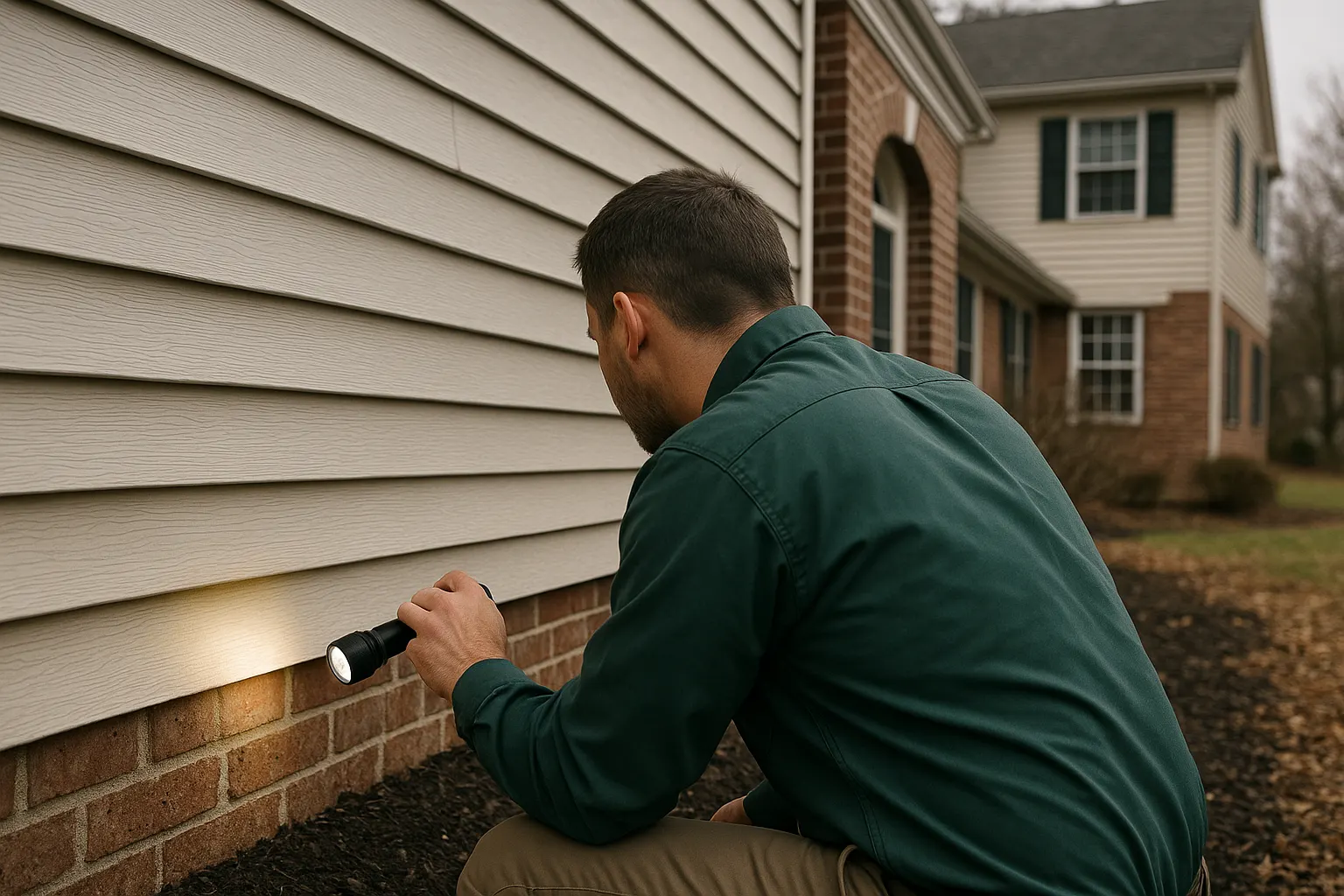
A plan is built after we see the house
We don't sell a plan off a price sheet. A 1920s brick twin in Phoenixville borough and a 2005 colonial in Upper Uwchlan have different problems, and the plan should reflect that. The first visit is an inspection of the outside walls, the foundation, the basement or crawlspace, the kitchen and baths, and the attic access if there is one.
From that inspection we tell you which pests we found or expect, what conditions are feeding the problem, and how the visits will be spaced through the year. The number of visits and what each one covers are set at that point, from what we saw at the house.
Some pests sit outside a general plan because they need their own inspection or method. Termite inspection and treatment falls under a separate state license category, and bed bugs need a room-by-room approach. We tell you up front which service a problem belongs to.
Why the visits follow the pest calendar
Pests around Phoenixville, West Chester, PA and the rest of southeastern Pennsylvania show up on a schedule set by temperature and daylight. Penn State Extension publishes the timing for most of them. A plan that ignores it treats stink bugs in November, after they are already inside the walls, or looks for wasp nests in October, when the colony is at full size.
So each visit is scheduled ahead of the pest it is meant for. The table below is the general pattern for this area. Your plan uses the rows that apply to your house.
| Season | What is active in southeast PA | Where plan work focuses |
|---|---|---|
| Late winter (Feb to Mar) | Termite swarm window opens in February; overwintering stink bugs and lady beetles wander out of wall voids on warm days; mice still indoors | Basement sill areas for swarm evidence, rodent activity, interior follow-up |
| Spring (Apr to May) | Carpenter ant swarmers; carpenter bees drilling in April and May; pavement ant swarms; paper wasp queens start nests in May | Exterior inspection, ant trails, eaves and soffits for early nests |
| Summer (Jun to Aug) | Odorous house ant winged reproductives May through July; carpenter ant workers foraging at night; yellow jacket and hornet colonies growing and more defensive late in summer | Kitchen and bath ant activity, nests near doors, decks and play areas |
| Fall (Sep to Nov) | Stink bugs enter buildings September to October; lady beetles, boxelder bugs and cluster flies look for overwintering sites in October; camel crickets and mice move in | Gaps at soffits, siding, windows and utility lines before the fall push; rodent entry points |
| Winter (Dec to Jan) | House mice indoors; overwintering insects in attics and wall voids | Rodent monitoring and interior checks |
How we set the plan: The Davis Inspection Standard
Every plan follows the same four steps we use on every job. They are written out in full on our inspection process page.
- Identify the species before anything is applied. Odorous house ants and pavement ants nest in different places and need different placement.
- Find and name the conducive conditions: moisture, wood touching soil, and entry gaps at the foundation, sill and siding.
- Place treatment where the pest lives, per the product label.
- Set the follow-up and tell you the re-entry and prep instructions before we start.
How Phoenixville and Upper Uwchlan houses differ
Housing age and type change what a plan needs to do. In Phoenixville borough, 39.8% of homes are single-unit attached houses (twins, rowhouses and townhomes) and 26.6% were built before 1940, according to Census ACS 2020 to 2024 estimates. Shared walls mean a mouse or ant problem next door can become yours, so we pay close attention to party walls, shared basements and the joints where porches meet the main house.
Newer subdivisions have their own pattern. Almost half the homes in Upper Uwchlan Township were built in 2000 or later. Those houses tend to have deep mulch beds, vinyl siding with weep openings and plenty of utility penetrations, which are common routes for ants, spiders and crickets. Fieldstone farmhouses and bank barns across the county add mortar gaps and damp stone basements to the list.
If you want the local detail for your town, start with our pages for pest control around Phoenixville and the Chester County service area.
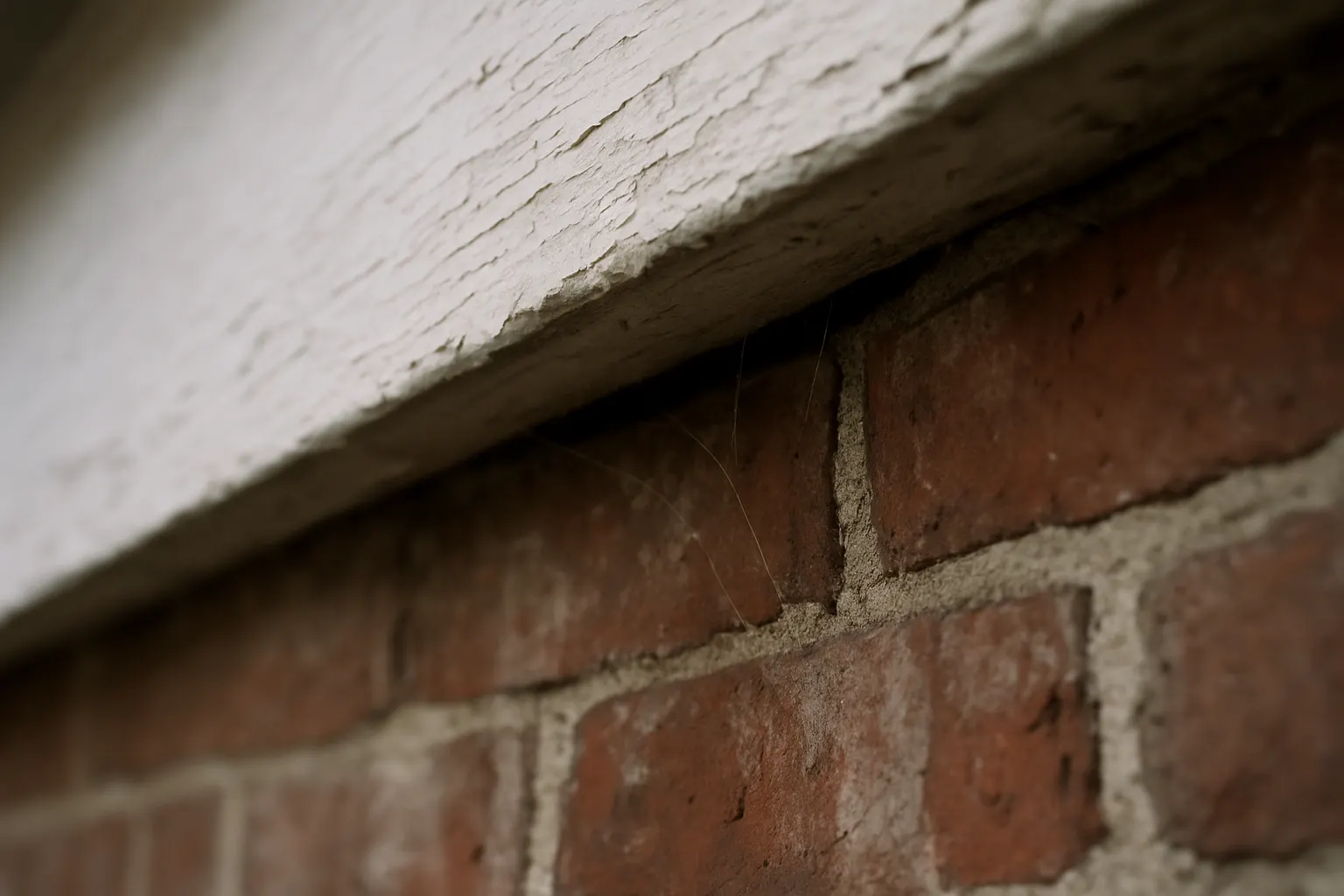
Placement, labels and re-entry
Pennsylvania law requires a pesticide application business to be licensed by the Pennsylvania Department of Agriculture, and every product we use comes with a label that sets where and how it can go. We work inside those directions. Inside a home, that usually means baits and crack-and-crevice placements in the voids and gaps where insects travel, rather than broad spraying across open floors. Outside, work concentrates on the foundation, entry points and nesting sites.
Before any treatment we tell you what prep is needed and how long to keep people and pets off treated areas. The general rule is to stay off treated surfaces until they are dry, per the label, and our technician will give you the specifics for that visit. The National Pesticide Information Center is a good independent resource if you have questions about a product.
What helps between visits
A plan works better when the house is not inviting pests back. Penn State Extension's recommendations for ants, termites and overwintering insects overlap on a short list of homeowner tasks.
- Keep firewood off the ground and away from the house, and bring in only what you will burn soon.
- Trim shrubs and tree limbs so they do not touch siding or the roof.
- Keep gutters and downspouts working and grade soil so water runs away from the foundation.
- Seal gaps where pipes, wires and cables pass through the walls.
- Pull mulch back a few inches from the foundation so the sill stays visible and dry.
- Store pet food and pantry staples in sealed containers.
Pests that get their own service
When the inspection turns up something that needs a different method, we say so and explain the next step. The most common ones are below.
- Carpenter ants nesting in damp wood, covered on our carpenter ant control page.
- Stink bugs and other fall invaders in large numbers: see stink bug and fall invader control.
- Mice or rats with active entry points: see mouse and rat control.
- Large yellow jacket or hornet nests: see wasp and hornet nest removal.
- Termites or a home sale: see real estate WDI inspections.
Who runs your plan
C.R. Davis III & Sons is family owned and operated by the Davis family, a Pennsylvania family corporation since 2003, and not part of a national chain or private equity group. We are licensed with the Pennsylvania Department of Agriculture in the Household and Health Related and Wood Destroying Pests categories, and we are insured. Details are on our licensing and insurance page.
Pennsylvania rules require technicians to complete category training plus annual training under a certified applicator. To set up an inspection for a plan, call (610) 935-9130 or use the contact form.
Where we provide pest control plans service
We work from our family business in Phoenixville and serve homes and businesses across Chester County, Montgomery County and Delaware County. See our Phoenixville pest control page or pest control in West Chester for the towns each area covers.
Sources
- Penn State Extension: Brown Marmorated Stink Bug
- Penn State Extension: Multicolored Asian Lady Beetle
- Penn State Extension: Boxelder Bug
- Penn State Extension: Cluster Flies
- Penn State Extension: Common Social Bees and Wasps of Pennsylvania
- Penn State Extension: Carpenter Ants
- Penn State Extension: Carpenter Bees
- Penn State Extension: Odorous House Ant
- Penn State Extension: Pavement Ant
- Penn State Extension: Eastern Subterranean Termites
- 7 Pa. Code § 128.31: Pesticide application business licenses
- 7 Pa. Code § 128.51: Technician training
- National Pesticide Information Center
- U.S. Census Bureau ACS 2020 to 2024 5-year estimates via Census Reporter
Pest Control Plans: common questions
How often should I get pest control for my house?
It depends on the house and the pests, which is why we set the schedule after an inspection. Most homes in southeast Pennsylvania see different pests in spring, summer and fall, so plan visits are spaced to land before each seasonal problem starts. A townhome with shared walls and an old farmhouse near woods will not need the same timing.
What time of year is best to start pest control?
Late winter or early spring is a good time to start, because the first inspection happens before ants, carpenter bees and wasps get going in April and May. Starting in late summer also works well, since it gets gaps sealed and exterior work done before stink bugs and lady beetles move into walls in September and October.
Is it worth paying for a pest control plan?
A plan makes the most sense when a house has repeat problems every year, such as ants each spring and stink bugs each fall. Timed visits catch those problems at the start. If you only have one pest once, a single service call may be enough. We will tell you which fits after we look at the house.
How much does a home pest control plan cost?
We price a plan after the inspection because the cost depends on the size and age of the house, the pests found and how many visits the year needs. We do not publish a flat rate. Call (610) 935-9130 to set up the inspection and we will go over the plan and its cost before any work starts.
What is the difference between pest control and an exterminator?
In practice people use the words for the same trade. What is worth comparing is how a company works. We identify the species first, find the conditions that let it in, and place treatment where the pest lives, per the label. In Pennsylvania, a business that applies pesticides for hire must hold a license from the Department of Agriculture.
Do I have to leave the house during a pest control visit?
Usually not for routine plan work, but it depends on the product and where it goes. We tell you before we start whether anyone needs to step out and how long to keep people and pets off treated areas. The general rule is to stay off treated surfaces until they are dry, following the product label.
How do I prepare for a pest control visit?
Clear access to the areas where you have seen pests, such as under the kitchen sink, basement walls and the attic hatch. Put away food, dishes and pet bowls in rooms that will be treated. Move stored boxes a foot or so off the foundation walls. We give specific prep instructions when we schedule the visit.
Does a home pest control plan cover termites?
No. Termite work is a separate service under a separate Pennsylvania license category, Wood Destroying Pests. A plan visit can spot warning signs such as mud tubes on a basement wall or swarmer wings on a windowsill, and if we see them we will recommend a termite inspection.
Do you service twins, rowhouses and townhomes?
Yes. Attached homes are common here: almost 40% of homes in Phoenixville borough are single-unit attached, per Census estimates. Shared walls and basements let ants and mice move between units, so we look closely at party walls, shared utility runs and porch joints, and we will tell you if the neighbor's side is part of the problem.
Family owned. Licensed and insured in Pennsylvania.
Schedule an inspection for pest control plans
Tell us what you are seeing and where. We will call you back to set up a visit, identify the pest and walk you through the plan before any treatment.
- The species identified before anything is applied
- Entry points and moisture problems pointed out on your property
- Prep and re-entry instructions explained up front
Prefer to talk now? Call (610) 935-9130