
King of Prussia, PA
Pest Control in King of Prussia: Apartments, New Builds and the Valley Forge Edge
C.R. Davis III & Sons Pest Control serves King of Prussia, the rest of Upper Merion Township and Bridgeport borough from our Phoenixville headquarters, about 13 road miles away. Pest pressure here comes from two directions: a large share of apartments and newer attached homes, and a wooded national park edge where Valley Forge meets the township.
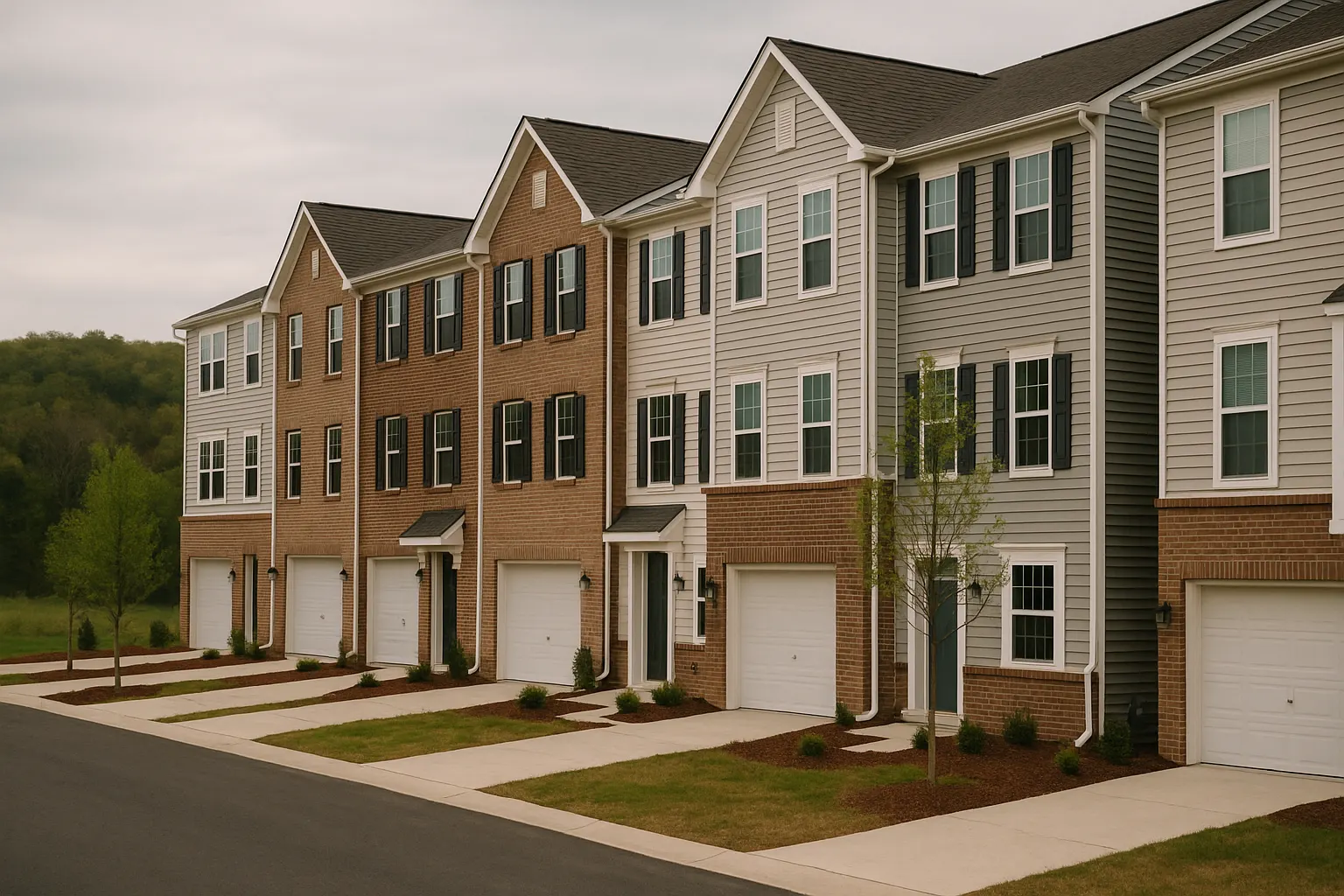
Who serves King of Prussia, and what that covers
King of Prussia is served directly from our Phoenixville pest control headquarters at 153 Silver Springs Rd, about 12.6 road miles from Upper Merion, and it is part of our Montgomery County coverage. There is no King of Prussia storefront, so every visit happens at your property.
King of Prussia is not a borough with its own government. It is a Census-designated place of 24,695 people (2020) inside Upper Merion Township, which had 33,613 residents in total. The township also includes Swedeland, and ZIP 19406 carries the King of Prussia mailing name while a slice of the township mails as Wayne (19087). Bridgeport borough, 5,015 people, borders the township along the Schuylkill River and is covered on this page too.
A township that is still building
Upper Merion is still adding housing. Census figures put 26% of its housing at 2000 or later, and Census estimates show the population up 8.4% between 2020 and 2024. The median home was built in 1977, so the township is a mix: postwar and 1970s single homes, apartment complexes, and newer townhome and mid-rise construction.
Only 39.3% of Upper Merion homes are single-family detached houses, and 55.1% are owner-occupied. That means a lot of people here live with shared walls, shared hallways and shared trash rooms, and that changes which pests show up and how they move.
| Housing measure (ACS 2020-2024) | Upper Merion Twp | Bridgeport borough |
|---|---|---|
| Median year built | 1977 | 1964 |
| Built before 1940 | 5.7% | 23.0% |
| Built 2000 or later | 26.0% | 15.6% |
| Single-family detached | 39.3% | 19.9% |
| Single-family attached (twins, rows, townhomes) | 14.1% | 38.1% |
| Owner-occupied | 55.1% | 43.3% |
Apartments and shared walls: bed bugs and German cockroaches
Bed bugs and German cockroaches are the two pests we watch for in apartments. Penn State Extension notes that in apartment buildings, bed bugs can move from one unit to another both vertically and horizontally, and that they travel in luggage, bedding, furniture and laptop cases. A King of Prussia unit can pick them up from a trip or from the apartment next door, and treating one unit without checking the ones beside it often misses the source. Our bed bug treatment page covers the inspection and prep.
Penn State says German cockroaches are hard to keep out because they arrive in boxes, grocery bags and suitcases, and that caulking holes where pipes pass through walls is part of control. Penn State estimates more than 10,000 descendants can be produced in one year at two generations, which is why a few sightings under a kitchen sink deserve attention early. For property managers, the same shared-plumbing logic applies building-wide.
New construction still gets pests
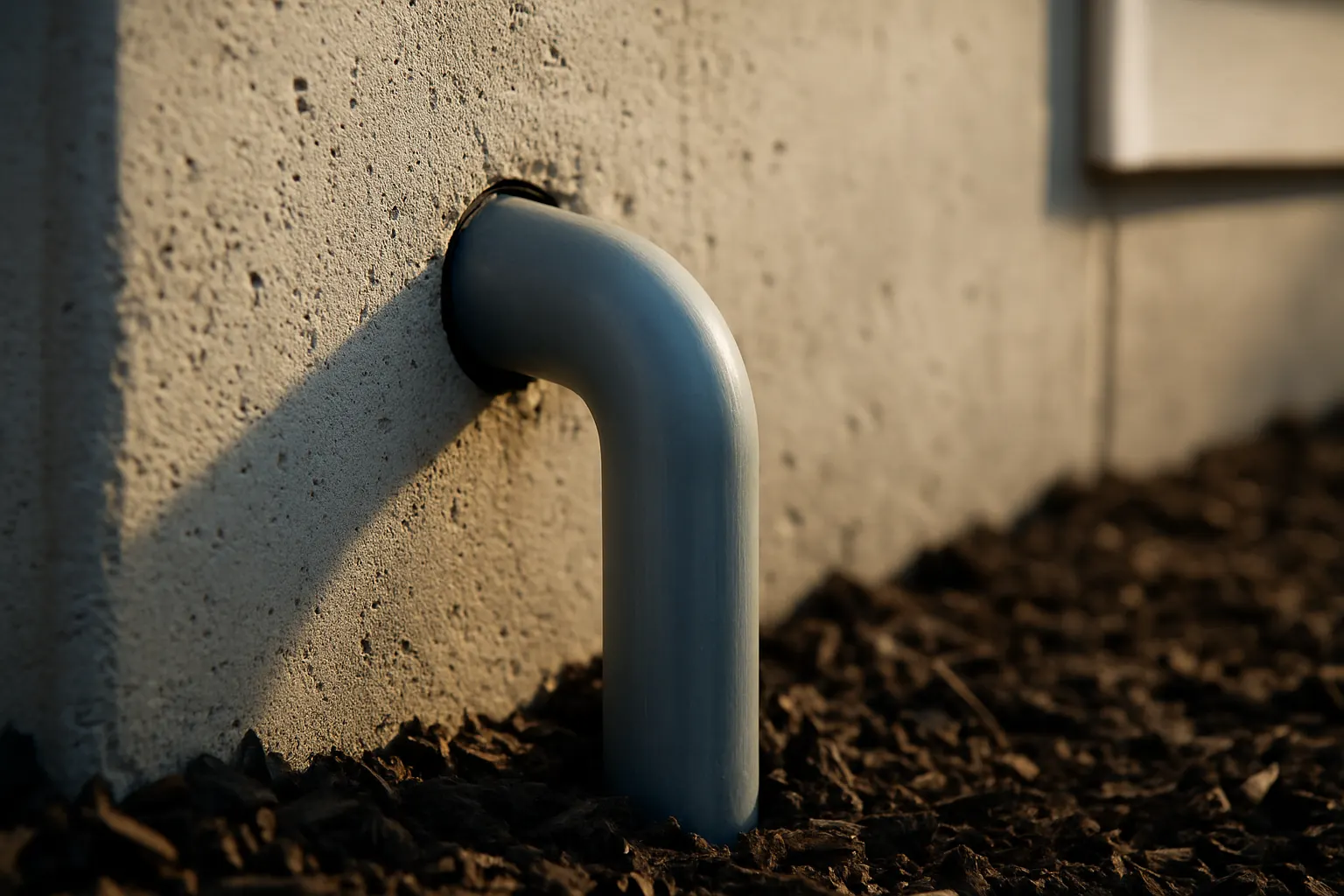
A new townhome is tighter than a 1950s house, but it is not sealed. Utility penetrations, garage door gaps and weep openings give mice a way in, and Penn State notes a mouse can fit through a hole about the size of a dime. Mulch beds piled against new foundations hold moisture, one of the conducive conditions we check for with ants and termites. Penn State notes termite damage typically shows 10 or more years after construction, so the first wave of 2000s building in Upper Merion is now in that range. We look at mouse and rat entry points on new builds the same way we would on an old house.
Valley Forge National Historical Park on the township's edge
Valley Forge National Historical Park lies partly in Upper Merion, with the rest in neighboring Montgomery and Chester County townships. For homes along the park side of the township, that means woods, meadows and a long history of deer.
According to the National Park Service, in the mid-1980s the park held 31 to 35 deer per square mile. By 2009 the density had reached 241 deer per square mile. The park began a deer management plan in November 2010, with lethal removal done from November through March, and reported 2,787 deer removed as of spring 2023. The target density, adjusted in 2020, is 20 to 25 deer per square mile, and the most recent NPS estimate is about 34. The park's stated goal is forest regeneration, since that many deer strip the understory.
Wooded edges also matter for fall invaders. Penn State notes brown marmorated stink bugs start entering houses in September and October, and homes next to woods are at higher risk. See stink bug and fall invader control for how sealing works before that window.
Ticks near the park
We are not offering tick yard treatment at this time, but the facts are worth knowing if you live along the park edge. The PA Department of Environmental Protection says Pennsylvania ranks number one in the country for reported Lyme disease cases. DEP notes adult blacklegged ticks are found in forest edge habitat and understory vegetation, even through winter, while nymphs and larvae are most active in summer in leaf litter, and that the greatest bite risk is spring, summer and fall.
The CDC recorded 714 Lyme disease cases in Montgomery County in 2023. For personal protection guidance, PA DEP and the PA Department of Health are the sources to follow.
Bridgeport and the river side
Bridgeport housing is older than the rest of this page. 38.1% of its homes are attached twins and rows, 23% were built before 1940, and fewer than half are owner-occupied. That older, attached stock behaves more like Norristown across the river than like a King of Prussia apartment complex: mice and cockroaches can travel along shared walls and old utility runs. The Schuylkill River Trail runs along the river nearby, passing the SEPTA station in Norristown and crossing into Valley Forge park on Sullivan's Bridge.
How a visit runs in Upper Merion
We follow The Davis Inspection Standard on every job, whether it is a detached house on the park side or a unit in a complex.
- Identify the species first. A bed bug, a bat bug and a carpet beetle larva need different responses. Nothing gets applied until we know.
- Name the conducive conditions. In apartments that is shared plumbing, clutter and adjoining units. In houses near the park, it is gaps at sills, vents and siding.
- Place treatment where the pest lives, per the label. Re-entry instructions come from the label, and we give them to you before we start.
- Set a follow-up. Bed bugs and German cockroaches both need a return visit to confirm the work held.
Communities covered
This page covers Upper Merion Township, including the King of Prussia and Swedeland communities (ZIP 19406, plus the part of the township that mails as Wayne, 19087), and Bridgeport borough (ZIP 19405). Service is run from our Phoenixville headquarters at 153 Silver Springs Rd. Norristown and the Norritons across the Schuylkill have their own page, and other Montgomery County towns are covered through our Montgomery County page.
Sources
- National Park Service: White-tailed Deer Management, Valley Forge NHP
- Wikipedia: Valley Forge National Historical Park
- PA DEP: Blacklegged Tick
- CDC: Lyme Disease Case Map and County Data
- Penn State Extension: Biology, Habitat, and Management of Bed Bugs
- Penn State Extension: German Cockroaches
- Penn State Extension: Is There a Mouse in the House?
- Penn State Extension: Brown Marmorated Stink Bug
- Penn State Extension: Eastern Subterranean Termites
- Schuylkill River Greenways: Philadelphia to Phoenixville on the SRT
- U.S. Census Bureau: 2020 Census Redistricting Data, Pennsylvania
- U.S. Census Bureau: Vintage 2024 sub-county population estimates
- U.S. Census Bureau, ACS 2020-2024 5-year, via Census Reporter
Pest control in King of Prussia: common questions
Do you serve apartments and townhomes in King of Prussia?
Yes. We work in single units, townhomes and detached houses across Upper Merion and Bridgeport. With bed bugs and German cockroaches in multi-unit buildings, we'll ask about neighboring units, because Penn State notes bed bugs move between apartments vertically and horizontally. Call (610) 935-9130 to set up an inspection.
Why do I have mice in a new townhome?
New construction still has gaps. Utility penetrations, garage door edges and openings in siding or trim let mice in, and Penn State notes a mouse can fit through a hole about the size of a dime. Mice also come in through open doors. The fix is finding and sealing those openings with rodent-proof materials, then trapping where droppings show activity.
Are there a lot of deer at Valley Forge National Historical Park?
There were. The National Park Service reports deer density rose from 31 to 35 per square mile in the mid-1980s to 241 per square mile in 2009. Management began in November 2010, and the park reported 2,787 deer removed by spring 2023. The current target is 20 to 25 per square mile, with a recent estimate of about 34.
Do you spray yards for ticks in King of Prussia?
Not at this time. Mosquito and tick yard treatment is not a service we are offering right now. For tick facts and protection guidance, PA DEP and the PA Department of Health are the right sources. DEP notes adult blacklegged ticks live along forest edges and in understory vegetation, and nymphs are found in leaf litter in summer.
Why are stink bugs so bad in homes near Valley Forge park?
Penn State Extension notes brown marmorated stink bugs look for overwintering sites in September and October, and houses next to woods are at higher risk. Homes on the wooded park side of Upper Merion fit that description. Sealing gaps around windows, siding, vents and utility lines before late September does more than anything done after they are inside.
Is Bridgeport covered along with King of Prussia?
Yes. Bridgeport borough, ZIP 19405, is covered on this page with Upper Merion Township. Its housing is older and more attached than most of King of Prussia, with 38.1% twins and rows and 23% built before 1940, so the work there looks more like rowhouse pest control: shared-wall mice, cockroaches and entry gaps in older masonry.
Can one apartment be treated for bed bugs if the neighbors have them?
Treating one unit can reduce bed bugs there, but if an adjoining unit is infested they can move back in. Penn State notes bed bugs travel between apartments in both directions. The better approach is to inspect adjoining units at the same time, which usually means working with the property manager. We'll tell you if we think the source is next door.
Related services and nearby areas
Family owned. Licensed and insured in Pennsylvania.
Schedule a pest inspection in King of Prussia
Tell us what you are seeing and where. We will call you back to set up a visit, identify the pest and walk you through the plan before any treatment.
- The species identified before anything is applied
- Entry points and moisture problems pointed out on your property
- Prep and re-entry instructions explained up front
Prefer to talk now? Call (610) 935-9130