
Spotted Lanternfly
Spotted Lanternfly in Southeastern Pennsylvania: What Homeowners Can Do Each Season
Spotted lanternfly has been under a county-wide quarantine in Chester County, Montgomery County and Delaware County since November 2017. This page from C.R. Davis III & Sons Pest Control walks through the life stages by month, what Penn State Extension recommends homeowners do themselves, and when to bring in a certified arborist or a licensed tree applicator.
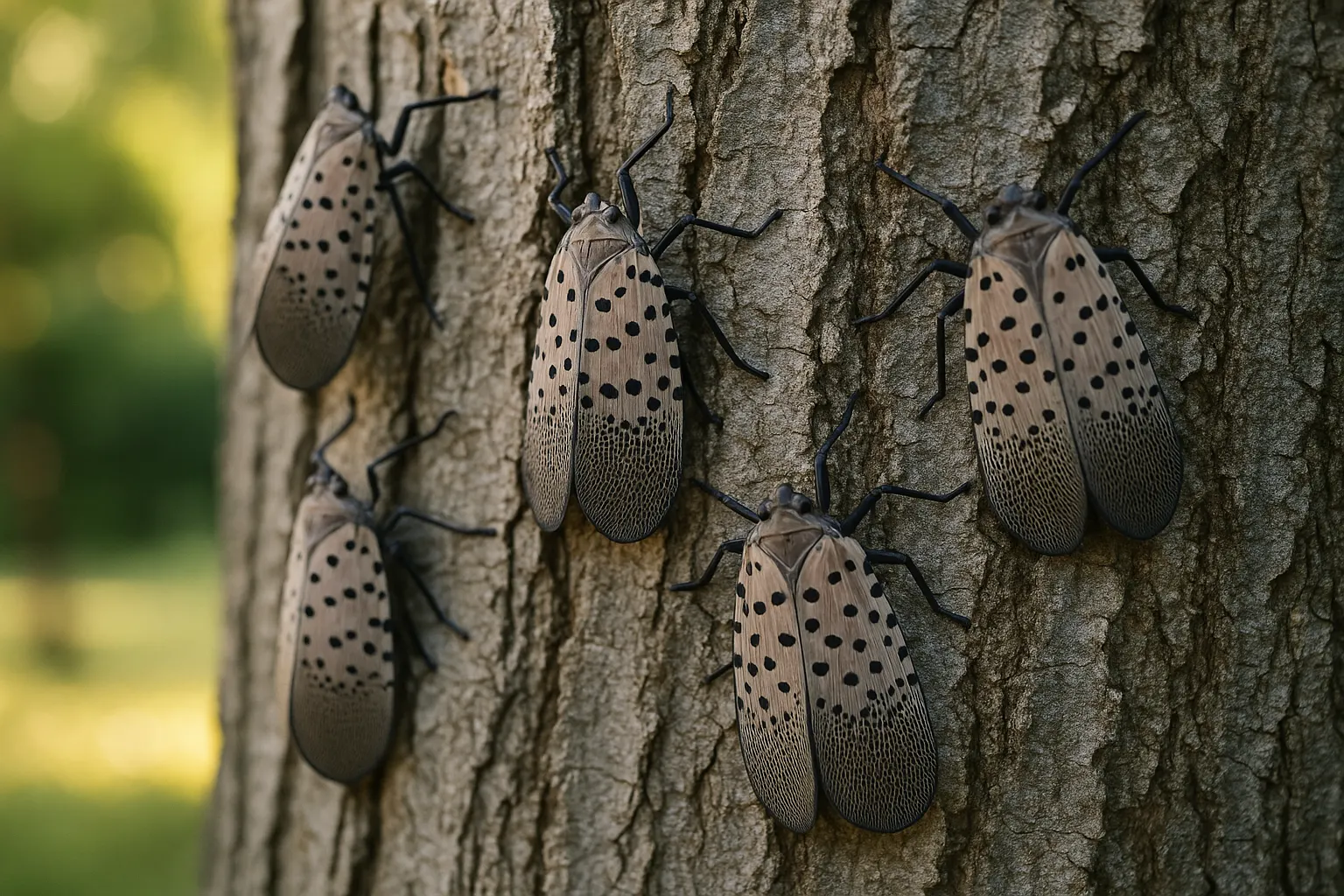
What spotted lanternfly is and why it matters here
Spotted lanternfly (Lycorma delicatula) is a planthopper from Asia. It was first found in the United States in Berks County, Pennsylvania, in September 2014, and spread quickly into the counties around Philadelphia. In November 2017 the Pennsylvania Department of Agriculture expanded the quarantine from individual municipalities to whole counties, including Chester County, Montgomery County, Delaware County and Bucks County.
It feeds by sucking sap from more than 70 plant species. Penn State Extension lists grapevines, tree-of-heaven, black walnut, red and silver maple and willows among its main hosts. Penn State's FAQ says grapevines, tree-of-heaven and young black walnut are the plants documented to be killed; established ornamental trees generally survive, though preferred hosts like maples can show branch dieback.
Spotted lanternfly cannot bite or sting, per Penn State. The day-to-day problem for homeowners is the honeydew: sugary liquid waste that drips onto decks, patio furniture and cars, and then grows black sooty mold.
Life stages by month
Penn State Extension's management guide lays out one generation a year in Pennsylvania. Knowing the stage tells you which control option makes sense right now.
| Months | Stage | What to look for |
|---|---|---|
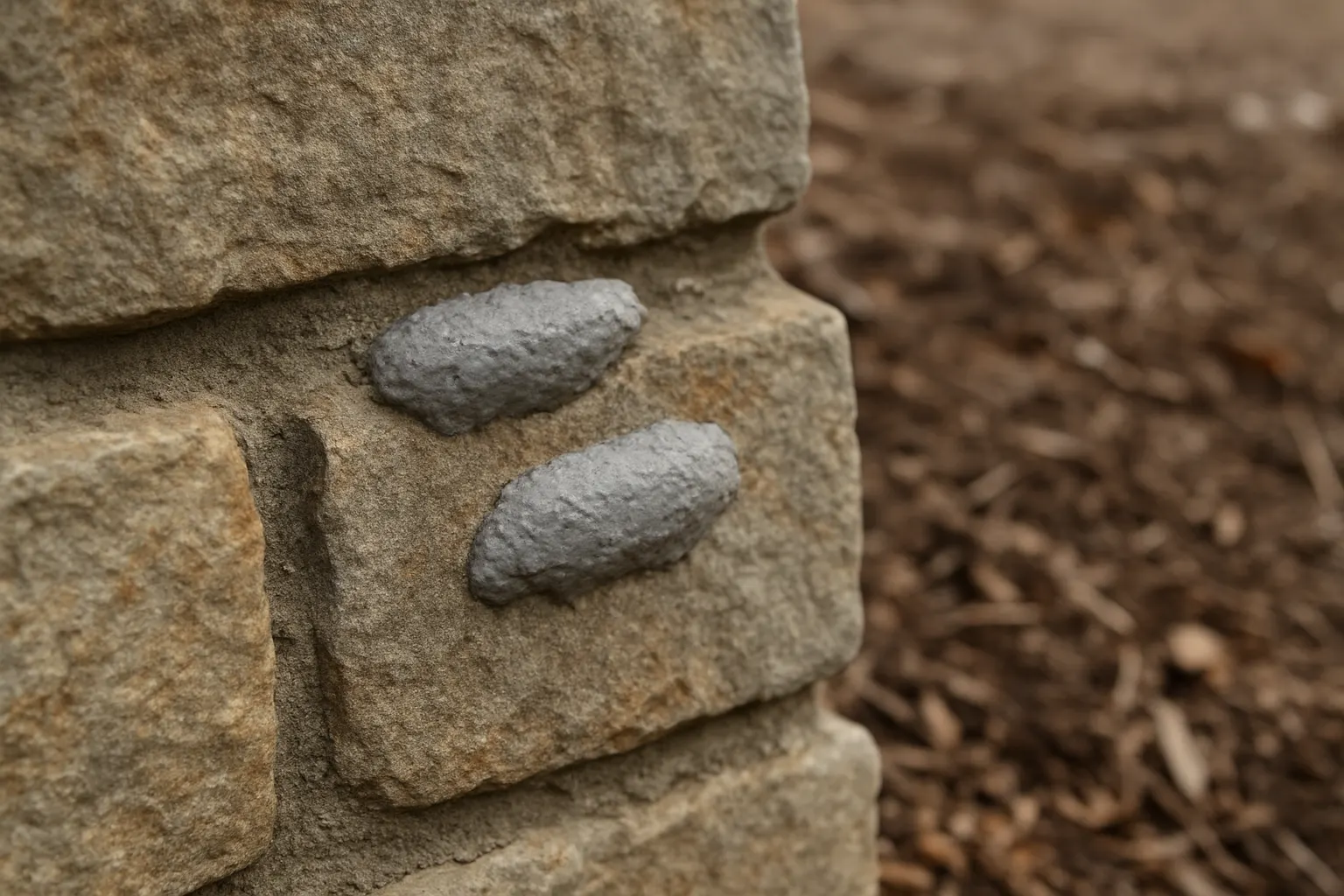
| September to December | Egg laying | Gray, mud-like smears about an inch long on tree bark, stone, fences, outdoor furniture, vehicles and trailers |
| Late April to June | Eggs hatch | Tiny black nymphs with white spots on new growth |
| Spring into summer | Early nymphs (first three instars) | Black with white spots, wingless, jump when disturbed |
| Mid to late summer | Fourth instar | Red with white dots and black stripes, about 1/2 inch long |
| July to hard frost | Adults | About an inch long; grayish forewings with black spots and bright red hindwings when they fly |
What the quarantine means for you
All of Chester County, Montgomery County and Delaware County sit inside the Pennsylvania spotted lanternfly quarantine, and the quarantine has since grown to cover much of the state. The goal is to stop people from carrying eggs and adults to new areas.
For homeowners, that mostly means checking before you move things. Look over vehicles, trailers, firewood, outdoor furniture, stone and grills before taking them out of the area, especially from September through the spring, when egg masses are on surfaces. Businesses that move goods or vehicles in and out of quarantined counties need a spotted lanternfly permit from the Pennsylvania Department of Agriculture.
Homeowner options Penn State recommends
Penn State Extension's guidance for residential properties combines a few inexpensive steps, matched to the season.
- Scrape egg masses from fall through spring. Use a plastic card or putty knife to scrape egg masses into a bag or container with rubbing alcohol or hand sanitizer, then seal and discard it. Check the undersides of branches, stone walls, fence posts and the backs of outdoor furniture.
- Use circle traps on trees. A circle trap is a funnel-style trap that wraps around a trunk and catches nymphs and adults as they climb. You can buy one or build one from Penn State's plans. Penn State notes traps catch many lanternflies on individual trees but do not stop them moving around the yard.
- Skip plain sticky bands. Penn State does not recommend sticky bands because they catch birds, bats and other wildlife. If one is used at all, it needs a wildlife guard of screening over it.
- Remove tree-of-heaven. Tree-of-heaven (Ailanthus altissima) is an invasive tree common along fence rows, roadsides, woods edges and alleys, and it is the lanternfly's favorite host. Penn State recommends removing it and notes that cutting alone causes root sprouts, so the best results come from treating the root system with an herbicide.
- Squash what you can reach. Nymphs and adults on a deck or wall can be swatted. It will not change the numbers in the neighborhood, but it helps on a patio.
When to call a certified arborist or a licensed tree applicator
Some properties need more than scraping and traps: a vineyard or large grape arbor, a stand of young black walnut, heavy feeding on prized maples, or dense tree-of-heaven along the property line. Penn State Extension advises property owners to consider hiring a certified pesticide applicator for insecticide work on trees, because those applicators have the training and equipment to treat trees.
In Pennsylvania, commercial pesticide work on trees and shrubs falls under the Ornamental and Shade Trees category (Category 6) of the state's commercial applicator certification, under 7 Pa. Code § 128.42. Ask any company offering lanternfly tree treatment to confirm they hold that category. A certified arborist is the right call to assess tree health, recommend whether treatment is worth it, and handle removals of large tree-of-heaven.
C.R. Davis III & Sons is licensed with the Pennsylvania Department of Agriculture in the Household and Health Related and Wood Destroying Pests categories. Our work is focused on pests in and around the home, not tree treatment.
Whether spotted lanternflies come indoors
Lanternflies rarely come inside on purpose. Penn State says they may land on buildings for warmth or height, but they do not cause structural damage and will move on or die when cold weather arrives. The ones that end up indoors mostly hitch a ride on clothing, bags or firewood, or fly through an open door or garage.
The insects that do move into walls and attics in fall are a different group. Brown marmorated stink bugs, boxelder bugs, multicolored Asian lady beetles and cluster flies all look for overwintering spots in September and October. Our page on stink bugs and fall invaders covers those, and our page on camel crickets, centipedes and silverfish covers the pests that come in when the weather turns.
Honeydew, sooty mold and cleanup around the house
Heavy feeding in late summer means honeydew on everything under the tree. Penn State describes it as the sugary waste lanternflies excrete, and it gets colonized by sooty mold, a black fungus that coats leaves, decks, railings and cars. It also draws yellow jackets and other stinging insects looking for sugar.
Rinse decks, furniture and cars regularly while adults are feeding. If yellow jackets are building up around a honeydew-covered deck or a ground hole nearby, see our page on yellow jacket and hornet nest removal.
Call us if lanternflies or other pests are getting inside your home
If lanternflies, stink bugs or other insects are getting inside your home, C.R. Davis III & Sons can identify what you have and find where it is coming in. We are a Pennsylvania family corporation since 2003, based in East Pikeland Township near Phoenixville, serving Chester County, Montgomery County and Delaware County. Call (610) 935-9130 or reach us through our contact page.
Where we provide spotted lanternfly service
We work from our family business in Phoenixville and serve homes and businesses across Chester County, Montgomery County and Delaware County. See our Phoenixville pest control page or pest control in West Chester for the towns each area covers.
Sources
- Penn State Extension: Spotted Lanternfly Management Guide
- Penn State Extension: Spotted Lanternfly Frequently Asked Questions
- Penn State Extension: Spotted Lanternfly Circle Trap
- Pennsylvania Department of Agriculture: Spotted Lanternfly Quarantine and Permitting
- Patch: Spotted Lanternfly Quarantine Now Covers All Chester County (November 2017)
- U.S. Fish and Wildlife Service: Stopping Spotted Lanternfly in Its Tracks
- 7 Pa. Code § 128.42: Commercial applicator categories
Spotted Lanternfly: common questions
What is the fastest way to get rid of spotted lanternflies?
There is no single fast fix on a residential lot, because lanternflies move in from surrounding trees. Penn State's homeowner approach is to scrape egg masses from fall through spring, use circle traps on trunks from spring into summer, and remove tree-of-heaven. For heavy feeding on valuable trees, hire a certified arborist or a licensed applicator in the Ornamental and Shade Trees category.
Does spraying for spotted lanternflies work?
Insecticides can kill lanternflies, but Penn State notes the decision depends on the type of tree, its health and how heavy the infestation is. Many established trees survive feeding without treatment. Tree applications in Pennsylvania should be made by a certified applicator holding the Ornamental and Shade Trees category, and a certified arborist can tell you whether treatment is worth it.
How do I get rid of spotted lanternfly egg masses?
Scrape them off. Penn State recommends scraping egg masses with a plastic card or putty knife into a bag or container with rubbing alcohol or hand sanitizer, then sealing and throwing it away. Egg masses are laid from September to December and hatch from late April to June, so anytime between October and April works. Check bark, stone, fences and outdoor furniture.
Will we ever get rid of spotted lanternflies in Pennsylvania?
Lanternflies are established across southeastern Pennsylvania, and the quarantine has expanded well beyond the original counties since 2017. The realistic goal for a homeowner is to reduce numbers on your own property and avoid moving eggs or adults to new areas. Removing tree-of-heaven and destroying egg masses each winter are the most practical steps.
Can spotted lanternflies hurt people or pets?
Penn State says spotted lanternflies cannot bite or sting. They feed only on plant sap through a straw-like mouthpart. The nuisance is the honeydew they drop, which grows black sooty mold and attracts yellow jackets and other sugar-feeding insects to decks and patios.
Do spotted lanternflies kill trees?
Some. According to Penn State, the plants documented to be killed are grapevines, tree-of-heaven and young black walnut. Established ornamental trees generally survive, though preferred hosts such as maples and black walnut can show branch dieback under heavy feeding. A certified arborist can assess a specific tree.
Are sticky bands a good way to trap lanternflies?
Penn State does not recommend them. Sticky bands are not selective and catch birds, small mammals, bats and beneficial insects. If a band is used, it needs a wildlife barrier made of screening. Circle traps, which funnel climbing lanternflies into a bag or container, are the option Penn State describes for homeowners.
When do spotted lanternfly adults appear in Pennsylvania?
In July. Penn State Extension says adults begin to emerge in July and stay active until hard freezes in the fall. Before that, nymphs hatch from late April to June, starting out black with white spots and turning red with white spots and black stripes in the last nymph stage.
Do I need a permit for spotted lanternfly in Chester County?
Homeowners do not need a permit, but you should inspect vehicles, trailers, firewood and outdoor items before moving them out of the area. Businesses that move goods or vehicles into or out of quarantined counties need a spotted lanternfly permit from the Pennsylvania Department of Agriculture.
Related pest control services
Family owned. Licensed and insured in Pennsylvania.
Schedule an inspection for spotted lanternfly
Tell us what you are seeing and where. We will call you back to set up a visit, identify the pest and walk you through the plan before any treatment.
- The species identified before anything is applied
- Entry points and moisture problems pointed out on your property
- Prep and re-entry instructions explained up front
Prefer to talk now? Call (610) 935-9130