
Occasional Invaders
Camel Crickets and Centipedes in PA Basements: Dry It Out, Seal It Up
Camel crickets, house centipedes, silverfish and millipedes are the pests that live in damp basements, crawlspaces and garages across Chester County, Montgomery County and Delaware County. C.R. Davis III & Sons Pest Control identifies which one you have, finds the moisture and gaps behind it, and treats where it actually hides when treatment will help.
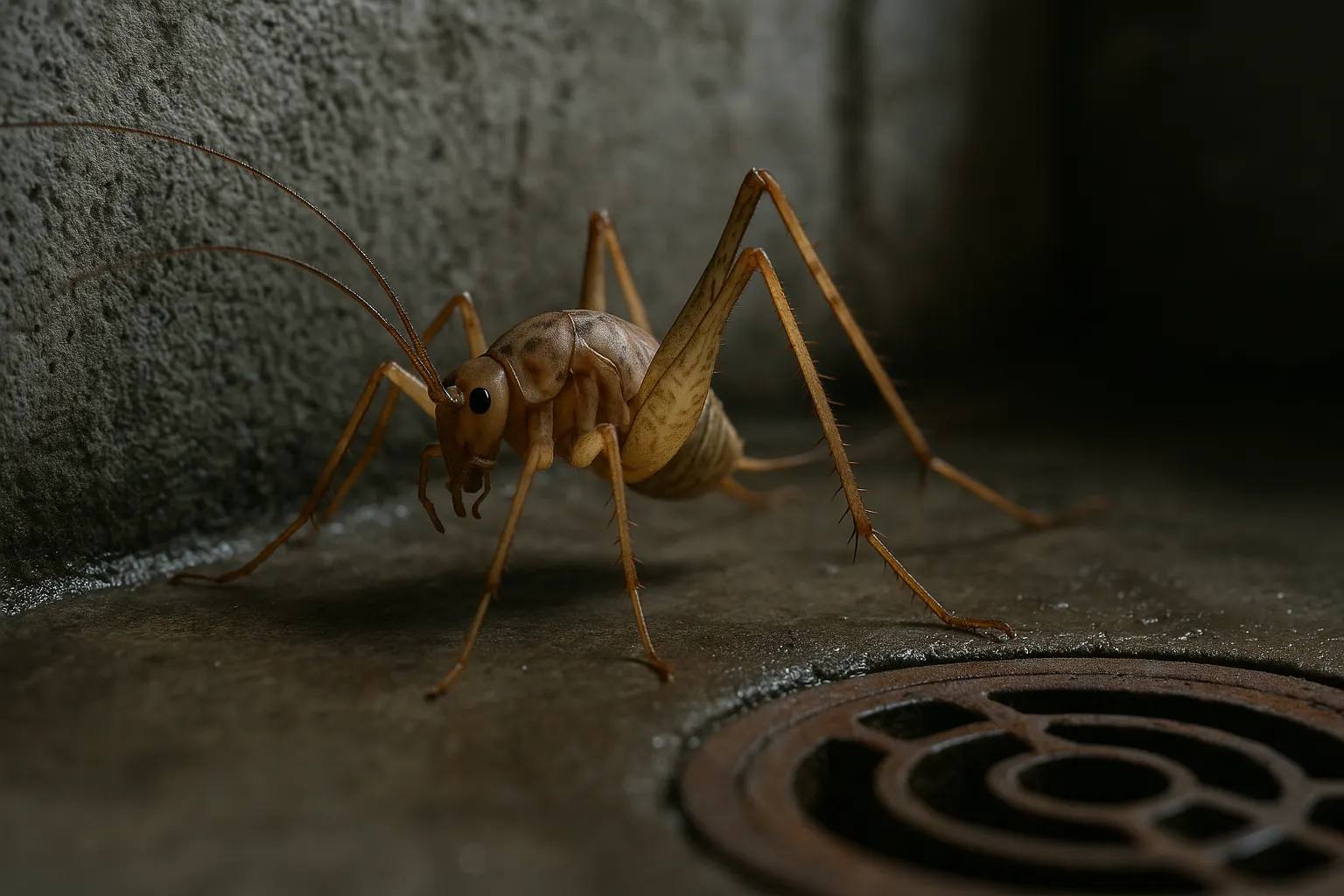
Why these four pests show up in the same basements
Camel crickets, house centipedes, silverfish and millipedes look nothing alike, but they want the same things: dark, damp, cool places and something to eat. A lot of homes in our area give them exactly that. Fieldstone and block foundations on older farmhouses and twins let in ground moisture, and houses on wooded lots or near creeks sit in damp soil. Finished basements in newer homes can hide leaks and condensation behind drywall and carpet.
That is why moisture control is the first step for every pest on this page, and treatment on its own rarely holds if the basement stays wet. The US EPA recommends keeping indoor relative humidity below 60 percent, ideally between 30 and 50 percent. A basement that sits at 70 percent in August will keep producing crickets, centipedes and silverfish.
Camel crickets (cave crickets)
Camel crickets, also called cave crickets or spider crickets, are tan to brown, humpbacked and wingless, with very long back legs and antennae. They do not chirp. When startled they jump, often straight toward you, which is most of why people hate them. The greenhouse camel cricket, an introduced species, is common in homes in the eastern US, along with native cave crickets.
They live in damp basements, crawlspaces, garages, window wells and sheds. Outdoors they hide under stones, logs, firewood and deep mulch. North Carolina State Extension notes they can damage fabric and linens stored in boxes during heavy infestations, but they are mostly a nuisance. They generally breed indoors only where it stays dark and moist all the time.
Search interest for camel crickets in the Philadelphia market peaks in November, when cooler weather pushes them toward foundations and into basements. Sticky traps set along walls, behind the water heater and near the sump show where they are coming from and how many there are.
- Run a dehumidifier and fix grading, gutters and downspouts that wet the foundation
- Seal gaps at sill plates, around basement windows and where pipes and cables enter
- Weather-strip garage and bulkhead doors
- Keep mulch, firewood, stone piles and leaf litter back from the foundation; NC State suggests at least 12 inches of clearance for mulch
- Move stored items off the floor and out of cardboard
House centipedes
The house centipede (Scutigera coleoptrata) is the fast, flat, gray-yellow centipede with 15 pairs of very long legs that runs across bathroom and basement floors at night. Penn State Extension notes it hides in dark, damp places by day: under concrete slabs, in hollow block walls, around floor drains, in crawlspaces and in cardboard boxes sitting on slab floors.
Unlike most centipedes in Pennsylvania, house centipedes can live and breed year-round in heated buildings. Females can live several years and produce up to 150 young, per Penn State. They are predators, feeding on silverfish, carpet beetle larvae, cockroaches, spiders and other small insects.
Penn State notes that if you see house centipedes often, something they eat is abundant, and that can be the bigger problem. We look for the prey insects as well as the centipedes.
- Dehumidify basements and bathrooms and fix plumbing leaks
- Seal cracks in concrete floors and block walls
- Cover floor drains and sump pits with screening
- Get boxes off the slab and into sealed plastic bins
- Grade soil so water runs away from the foundation
Silverfish
Silverfish are silvery, carrot-shaped, wingless insects about half an inch long, with long antennae and three bristles at the tail. They run fast, including sideways, and squeeze into narrow cracks. Penn State Extension says they prefer cool, moist, dark places like basements, closets, bookcases and storage areas.
Silverfish feed on starch: flour, cereal, book bindings, wallpaper paste, glue and paper, and they also eat protein. In heavy infestations Penn State notes they can leave irregular holes and stains on books, papers and wallpaper. They live at least two to three years and produce more than 50 offspring, so a small population in a damp storage room can build up quietly.
Old paperwork, magazines and cardboard in a basement or attic storage area make good silverfish habitat. So do bathrooms with poor ventilation and the wall void behind a slow leak.
- Run a dehumidifier and repair leaky pipes and roof leaks
- Store dry food, papers and books in tightly sealed containers
- Cut clutter, especially stacked paper and cardboard
- Seal cracks and crevices along baseboards and shelving
- Use sticky traps to find where they are concentrated
Millipedes
Millipedes are slow, dark brown to black, rounded, wormlike arthropods with two pairs of legs per body segment. They often curl into a coil when disturbed. Penn State Extension says they normally live in cool, damp places under stones, leaf mold, mulch, compost heaps, grass clipping piles and brick paths.
Millipedes move in large numbers after heavy rains and when cooler weather sets in, and they can climb foundations several feet. They end up in garages, basements and first-floor rooms, often along the bottom of sliding doors. Penn State notes they do no damage and cannot survive long in the dry air of most buildings, usually only a few days. The ones you see inside are coming from outside.
The fix is outdoors. Penn State recommends removing compost and grass clipping piles and leaf mold near the house. Where mulch sits over plastic weed barrier, pulling out the plastic lowers soil moisture and raises soil temperature, both of which millipedes dislike. Inside, sweep or vacuum them up.
- Rake mulch thin next to the foundation and remove plastic weed barrier under it
- Move compost, clippings and leaf piles away from the house
- Install or replace door sweeps and seal window and door frames
- Keep gutters clean so downspouts do not soak beds along the foundation
Dehumidifiers, sealing and the order of operations
For all four pests, the work goes in the same order. Dry the space, close the gaps, remove the hiding places, then treat what is left.
A basement dehumidifier set to hold humidity near 50 percent, and drained to a sump or floor drain so it runs continuously, does more for crickets, centipedes and silverfish than most homeowners expect. A hygrometer tells you whether it is keeping up. Outside, check that downspouts discharge several feet from the foundation and that soil and mulch slope away from the house.
Sealing covers the sill plate where the house framing sits on the foundation, gaps around basement windows and window wells, utility penetrations, cracks in block and poured walls, and the bottoms of garage and bulkhead doors. Many of these are the same gaps mice use, so our page on mouse and rat control is worth reading if you are sealing anyway.
When treatment helps, and how C.R. Davis applies it
Treatment helps when populations are established indoors, when the moisture source cannot be fixed quickly, or when pests keep moving in from outside despite sealing. It does not replace fixing a wet basement.
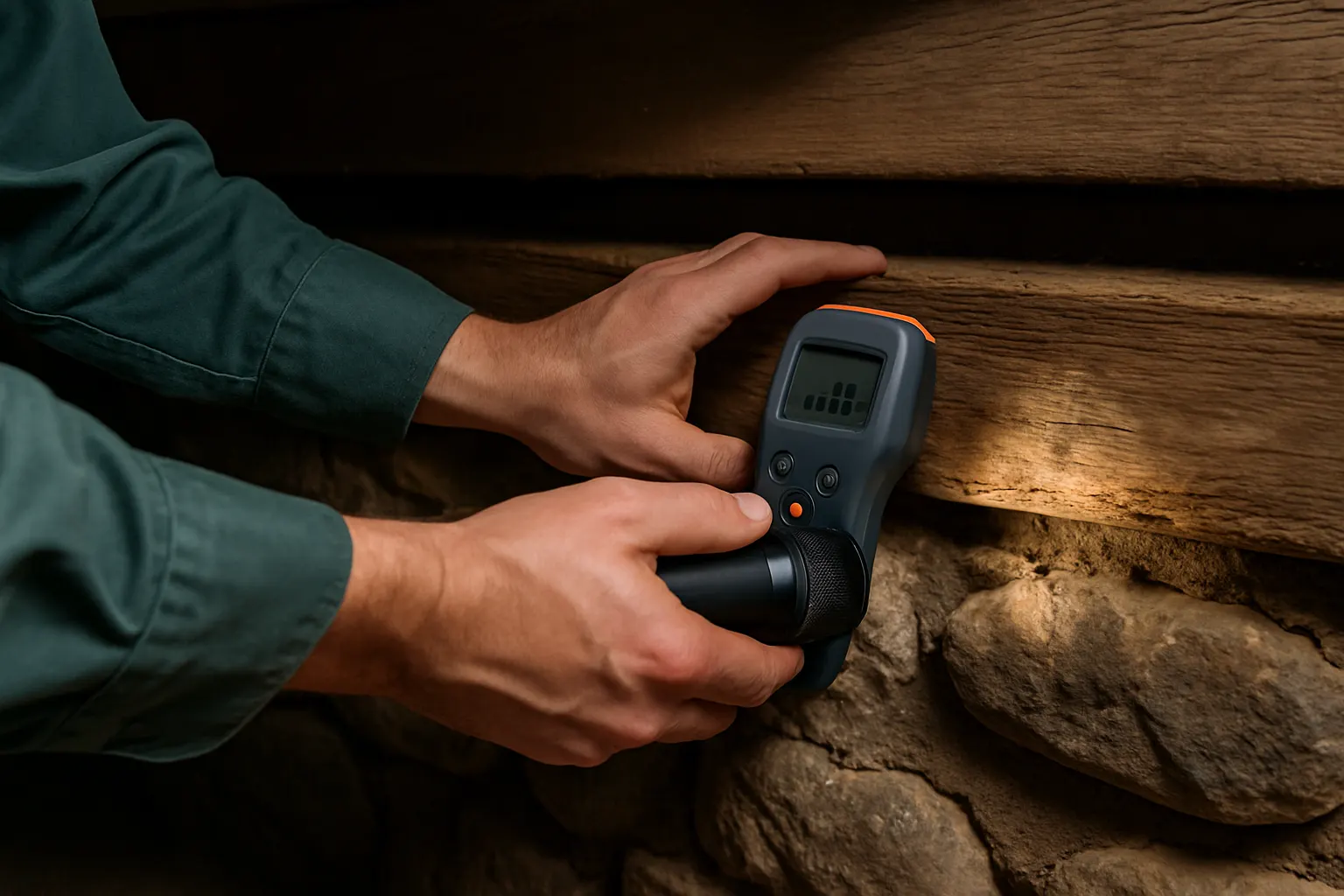
We follow The Davis Inspection Standard. We identify the pest, because a millipede problem is an outdoor mulch problem and a silverfish problem is an indoor storage and humidity problem. We name the conducive conditions, checking damp walls and sill plates with a moisture meter. Then we place treatment where the pest lives, per the label: along the exterior foundation and entry points for crickets and millipedes, and in cracks, voids and harborage in basements, crawlspaces and utility areas for centipedes and silverfish.
We tell you up front how long to keep people and pets off treated areas, per the label, and when a follow-up visit makes sense. Homes that deal with these pests every fall often add the exterior work to a seasonal home pest control plan.
Related pests and service area
Spiders often follow these insects into basements, so see spider control for basements and garages if you see both. For the stink bugs and lady beetles that move into walls and attics in fall, see stink bug and fall invader control.
C.R. Davis III & Sons is based in East Pikeland Township near Phoenixville and serves Pottstown, Norristown, Downingtown and communities across Chester County, Montgomery County and Delaware County. Call (610) 935-9130.
Where we provide occasional invaders service
We work from our family business in Phoenixville and serve homes and businesses across Chester County, Montgomery County and Delaware County. See our Phoenixville pest control page or pest control in West Chester for the towns each area covers.
Sources
- Penn State Extension: House Centipedes
- Penn State Extension: Bristletails (Silverfish and Firebrats)
- Penn State Extension: Millipedes
- Penn State Extension: Common Urban Pests, Identification, Prevention, and Control
- NC State Extension: Camel Crickets
- University of Maryland Extension: Crickets
- US EPA: A Brief Guide to Mold, Moisture, and Your Home
Occasional Invaders: common questions
Is it bad to have camel crickets in your basement?
They are mostly a nuisance, but they do tell you the basement is damp. Camel crickets do not damage the house, though heavy infestations can chew stored fabric and linens in boxes. The bigger concern is the moisture that supports them, which also supports silverfish, centipedes and mold. Dehumidifying and sealing gaps is the first step.
How do I get rid of camel crickets in my basement?
Start by drying the basement with a dehumidifier and fixing water coming in from gutters, grading or cracks. Seal gaps around sill plates, windows and pipes, and weather-strip doors. Clear mulch, stone and firewood from the foundation. Sticky traps along walls catch crickets and show where they gather. If numbers stay high, a label-directed treatment at the exterior and in harborage areas helps.
Do camel crickets come through drains?
Drains are not the usual route. Camel crickets mostly get in at ground level: gaps at the sill plate, basement windows and window wells, bulkhead doors and garage doors. Screening floor drains and sump pits is still worth doing, because Penn State notes house centipedes use them. Sealing gaps where the foundation meets the soil cuts off the common cricket routes.
Should I kill house centipedes?
One now and then is not a problem, and they eat silverfish, cockroaches and other insects. Penn State Extension notes that frequent house centipedes mean their prey is abundant, which can be the larger problem. Lower the humidity, seal cracks, remove cardboard from basement floors, and have the prey insects identified.
What attracts silverfish to a house?
Humidity and starch. Silverfish prefer cool, damp, dark areas and feed on paper, book bindings, wallpaper paste, glue, flour and cereal. Damp basements, poorly vented bathrooms and storage areas full of paper and cardboard attract them. A dehumidifier, sealed storage containers, less clutter and fixed leaks make a house much less inviting.
Why are millipedes coming into my house?
They are moving from wet mulch, leaf litter, compost or grass clippings next to the foundation, usually after heavy rain or when the weather cools. Penn State says they cannot survive long in dry indoor air and do no damage. Thin mulch against the house, remove plastic weed barrier underneath, move compost away and install door sweeps.
What humidity should my basement be to keep bugs away?
The US EPA recommends keeping indoor relative humidity below 60 percent, ideally between 30 and 50 percent. Holding a basement near 50 percent with a dehumidifier makes it much less hospitable to camel crickets, house centipedes and silverfish. Use a hygrometer to check, and drain the dehumidifier to a sump or floor drain so it runs without stopping.
Do house centipedes bite?
It is uncommon. House centipedes are built to catch insects and generally run from people. A bite can happen if one is picked up or trapped against skin. Their presence is more useful as a sign of moisture and insect prey in the house.
When should I call a pest control company for basement bugs?
Call when you have tried a dehumidifier and sealing and still see crickets, centipedes or silverfish most days, when stored items are being damaged, or when you are not sure what the insect is. An inspection names the species, finds the moisture and entry points, and shows whether treatment in harborage areas will help.
Related pest control services
Family owned. Licensed and insured in Pennsylvania.
Schedule an inspection for occasional invaders
Tell us what you are seeing and where. We will call you back to set up a visit, identify the pest and walk you through the plan before any treatment.
- The species identified before anything is applied
- Entry points and moisture problems pointed out on your property
- Prep and re-entry instructions explained up front
Prefer to talk now? Call (610) 935-9130