
Our Process
The Davis Inspection Standard: Four Steps We Follow Before and After Every Treatment
The Davis Inspection Standard is the four-step process C.R. Davis III & Sons Pest Control follows on every job in Chester County, Montgomery County and Delaware County. We identify the species before anything is applied, find the conditions that let it in, place treatment where it lives as the label directs, and set a follow-up with re-entry and prep instructions given up front.
Why we inspect before we treat
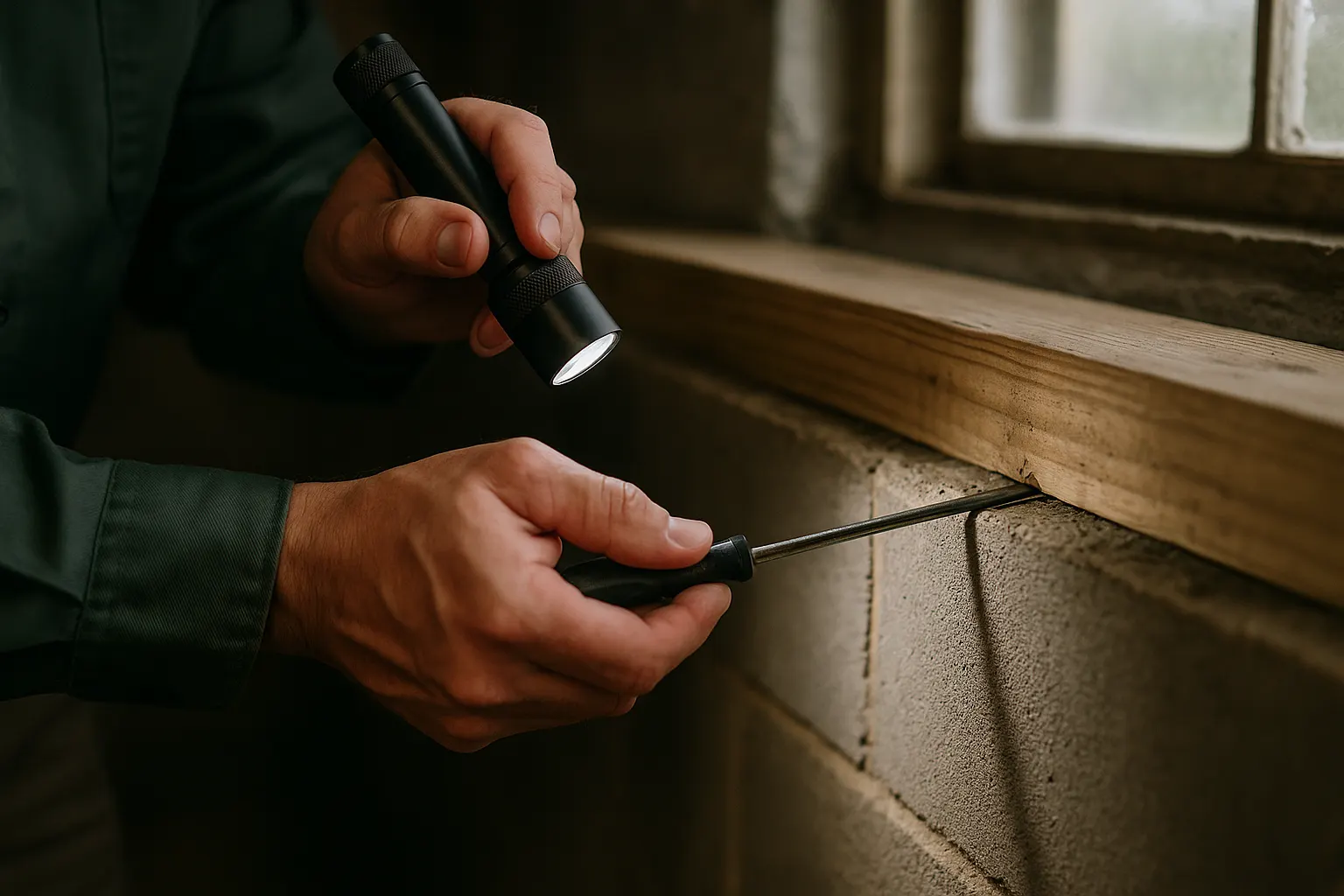
Most pest problems in southeastern Pennsylvania houses have a cause you can point to: a damp basement, mulch piled against the sill, a gap where the cable line enters, a leaking trap under the kitchen sink. Treating without finding that cause can knock numbers down for a while, but the conditions that brought the pest in are still there.
The Davis Inspection Standard puts the inspection first and keeps it in order. The four steps below apply whether we are looking at termite swarmers in a Phoenixville basement, mice in a Norristown twin or cockroaches in a commercial kitchen.
Step 1: Identify the species before anything is applied
Different pests call for different treatments, and several common ones look alike. Winged termites and winged carpenter ants both show up indoors in spring. A pale ant trail in the kitchen could be odorous house ants or pavement ants. Mouse and rat droppings differ in size and shape, and a rat problem needs different trap placement than a mouse problem.
So we confirm what we are dealing with first. That can mean a close look at a swarmer's wings and waist, checking droppings and gnaw marks, finding a live specimen, or reading the damage itself: termites leave mud-packed galleries, while carpenter ants leave clean, smooth tunnels and coarse sawdust. If we cannot confirm the species on the first visit, we say so and set up monitoring instead of guessing.
Step 2: Find and name the conducive conditions
A conducive condition is anything about the building or yard that gives a pest food, water, shelter or a way in. We look for them and tell you what we found so you can decide what to fix. They fall into three groups:
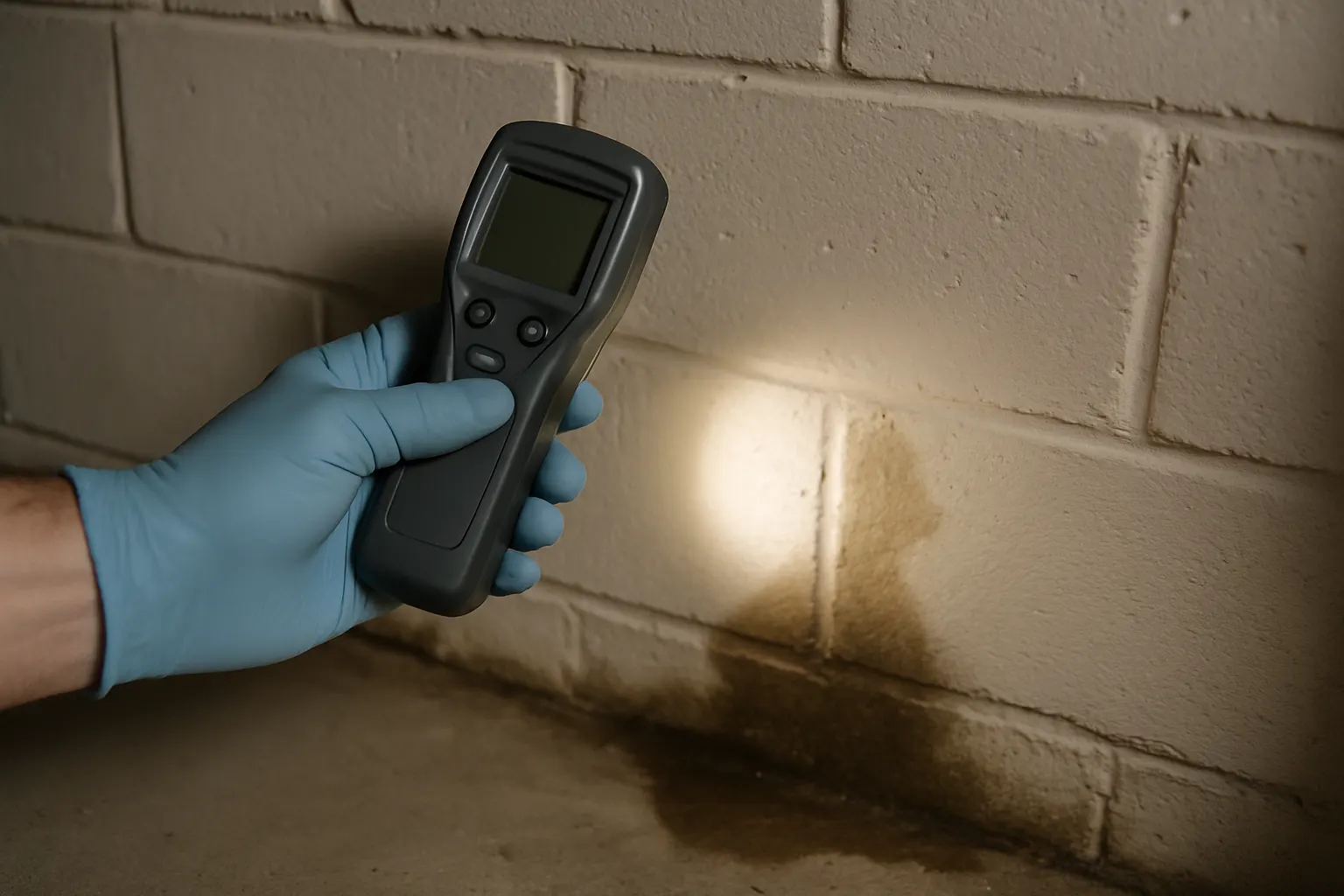
- Moisture: leaking gutters and downspouts, a damp basement or crawl space, plumbing leaks, condensation on cold pipes. Termites, carpenter ants, camel crickets and cockroaches all follow water.
- Wood-to-soil contact: deck posts set in dirt, siding or trim that runs below grade, form boards left in backfill, firewood stacked against the house, mulch piled over the sill line.
- Entry gaps: openings around pipes, wires and dryer vents, worn door sweeps, loose basement windows, unscreened attic and soffit vents, mortar gaps in older foundations.
Step 3: Place treatment where the pest lives, per the label
Every pesticide label states where and how the product may be used, and following it is the law for licensed pesticide application businesses. Within those directions, we put treatment where the pest actually lives and travels instead of covering whole rooms. For mouse and rat control that means traps and tamper-resistant bait stations along the runways we found in Step 1. For German cockroach control it means bait placed in the cracks where they hide near warmth and water. For subterranean termite treatment it means treatment at the foundation where the colony reaches the structure.
Placement also covers what we do not treat. We tell you which areas we are treating, which we are leaving alone and why. Sealing a gap or fixing a leak is sometimes the most useful thing on the list, and we will say so.
Step 4: Set the follow-up and give instructions up front
Before we start, we tell you how to prepare, how long people and pets should stay off treated areas, and when we are coming back. Re-entry times come from the product label, and the usual rule is to keep people and pets off treated surfaces until they are dry. If a product calls for a longer wait or ventilation, we tell you before it goes down.
We plan the follow-up as part of the job. Traps need checking, bait needs replacing where it has been eaten, and monitors show whether activity is dropping. We set the next visit before we leave so the schedule does not depend on anyone remembering to call.
What to expect on the first visit
The first visit is mostly looking and talking, usually in this order:
- We ask what you have seen, where, what time of day and for how long. Photos or a saved specimen in a sealed bag help.
- We inspect inside, starting where the activity is and working outward: kitchen, bathrooms, basement or crawl space, garage and attic access where it matters.
- We walk the outside of the house: foundation, sill line, siding, downspouts, mulch beds, decks and utility entries.
- We tell you what the pest is, what conditions we found and what we recommend, including anything you can fix yourself.
- If you go ahead, we give re-entry and prep instructions before treatment, then set the follow-up date.
How to prepare for your appointment
Prep depends on the pest, and we give you a specific list when you book. These steps help on almost any visit:
- Clear a path to the basement walls, crawl space entry, attic hatch and garage corners. Stored boxes against the foundation hide the sill line.
- Empty the cabinets under the kitchen and bathroom sinks if you have seen cockroaches or ants there.
- Do not spray store-bought insecticide in the days before the visit. It scatters insects and can make baits less attractive.
- Plan where pets will be during treatment. Cover or remove fish tanks and pet food bowls from rooms being treated.
- Write down when and where you have seen activity, and save a specimen in a sealed bag or jar if you can.
- For bed bugs and cockroaches the prep list is longer. We send it ahead so you have time to do it.
Common questions
Why won't you treat before identifying the pest?
Because the right treatment depends on the species. Termites and carpenter ants need different approaches, mice and rats need different trap placement, and the bait that works for German cockroaches will not solve a pantry moth problem. Applying something before we know what it is wastes product and your money, and the pest usually comes back. If identification is uncertain, we set monitors first.
What are conducive conditions?
Conducive conditions are features of a house or yard that give pests food, water, shelter or a way inside. The common ones are moisture problems such as leaking gutters or a damp basement, wood touching soil such as deck posts or mulch over the sill line, and entry gaps around pipes, vents and doors. We name the ones we find so you can fix them.
Do I need to leave the house during pest treatment?
It depends on the product and where it is applied. Many treatments only require keeping people and pets off treated surfaces until they are dry, while some label directions call for leaving treated rooms for a set time or ventilating first. We tell you the specific re-entry instructions from the label before anything is applied, so you can plan ahead.
What should I do before the exterminator comes?
Clear access to basement walls, the crawl space, the attic hatch and under sinks, and plan where pets will be during treatment. Avoid spraying store-bought insecticide beforehand, since it can scatter insects and interfere with baits. Note where and when you have seen activity. For bed bugs and cockroaches we send a longer prep list when you book.
How long does the first inspection take?
It depends on the size of the property and the problem. A single-room ant issue in a small house takes less time than a full termite inspection of an old farmhouse with additions and a crawl space. We do not rush the inspection, because Steps 1 and 2 decide whether the treatment works. We can give you a better estimate when you describe the problem on the phone.
Why do you schedule a follow-up visit?
Most treatments need checking. Traps have to be emptied and moved if mice change routes, bait has to be replaced where it has been eaten, and monitors show whether activity is falling. A follow-up also lets us see whether the conditions we flagged were fixed. We set the date before leaving so the next visit is already on the calendar.
Family owned. Licensed and insured in Pennsylvania.
Schedule an inspection with C.R. Davis III & Sons
Tell us what you are seeing and where. We will call you back to set up a visit, identify the pest and walk you through the plan before any treatment.
- The species identified before anything is applied
- Entry points and moisture problems pointed out on your property
- Prep and re-entry instructions explained up front
Prefer to talk now? Call (610) 935-9130